Beautiful Plants For Your Interior
In today’s fast-paced, high-stress modern life, difficulty falling asleep, light sleep and frequent dreaming have become common sub-health complaints. The dual-sensory bedtime healing system is rooted in ancient sleep-supporting incense formulas collected in the Complete Collection of Chinese Incense Documents. It combines unprocessed natural field recordings from ancient mountain temples with traditional herbal incense blends, grounding the six senses through the synergy of smell and hearing to create an accessible, immersive calming ritual for beginners.
This dual-sensory healing method is not a modern invention — its core is built on traditional Chinese incense wellness and ancient bedroom etiquette. The system uses untouched natural soundscapes as the auditory anchor, paired with herb-based incense blended according to ancient principles. Through the combined effect of smell and hearing, it gently draws attention to the present moment, calms scattered thoughts and soothes the mind, achieving the “six-sense grounding” state valued in traditional incense meditation.
The tradition of using incense for sleep dates back over two thousand years. In Miscellaneous Records of the Western Capital by Liu Xin of the Western Han Dynasty, it is recorded that imperial palaces had dedicated staff to manage bedroom incense, refilling censers at night to keep the fragrance lingering through the night, making it an established part of royal daily etiquette. For formula references, the Dunhuang Incense Prescriptions from the Tang Dynasty contain multiple fumigation formulas specifically for calming the mind and improving sleep quality, making it one of the earliest surviving systematic collections of sleep-supporting incense recipes.
The therapeutic properties of the ingredients are also well-documented in herbal classics. In Newly Revised Materia Medica compiled by Su Jing of the Tang Dynasty, aromatic materials such as agarwood, sandalwood and clove are described as having the effects of regulating qi, calming the nerves and easing emotional tension, providing a solid theoretical foundation for ancient incense therapy. All these texts are fully included in the Complete Collection of Chinese Incense Documents.
This healing ritual is especially suitable for three groups: people with sub-health sleep issues such as difficulty falling asleep, light sleep and frequent night dreams; high-pressure professionals struggling with chronic stress and anxiety; and mindfulness meditation and traditional Chinese wellness enthusiasts looking for a steady daily calming and bedtime self-care practice.
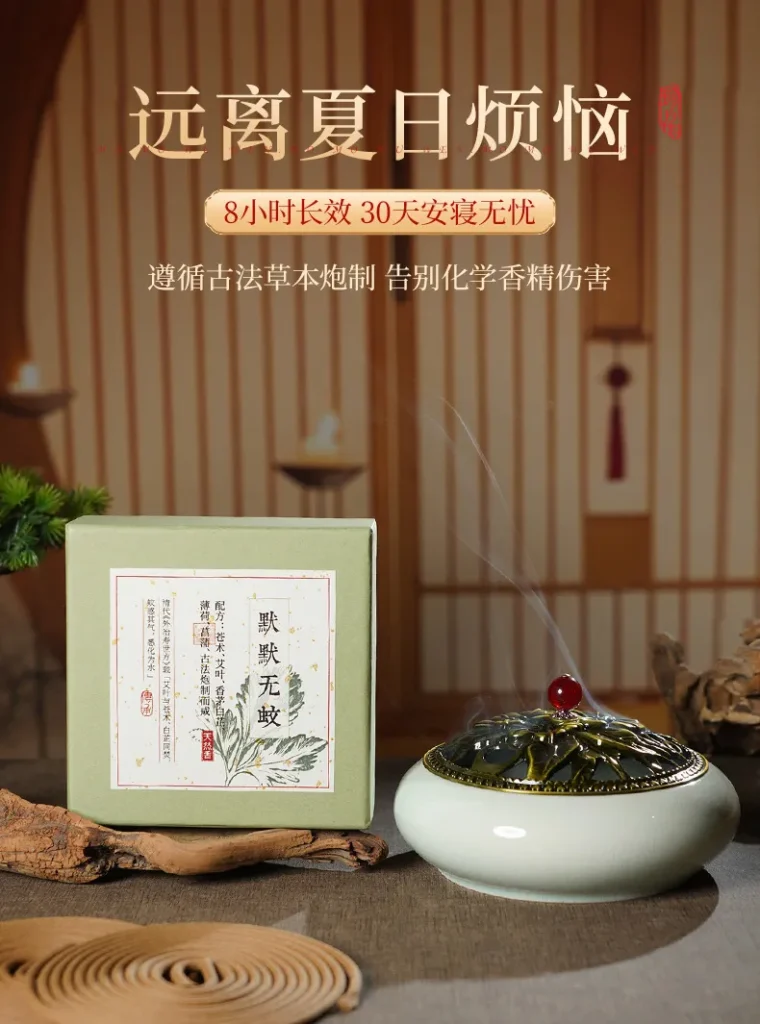
Choose a calming herbal incense powder or cake adapted from the Dunhuang Incense Prescriptions. Use a low-temperature incense warming set to ensure a smooth, smoke-free fragrance. Prepare high-quality field recordings of mountain streams or ancient temple ambient sounds.
30 minutes before bed, turn off main lights and play the natural sound recording at a comfortable volume. Prepare your incense warmer and place the incense material to let the fragrance diffuse slowly. Sit upright by the bed and regulate your breath for 3 minutes: breathe slowly and deeply through your nose, letting the fragrance guide your breath and prepare your body for rest.
After lying down, close your eyes. First focus your attention on the natural sounds, noticing subtle changes in the wind and flowing water. Then gradually shift to the layered aroma of the incense, from the fresh top note to the rich base note. At the same time, scan your body for tension, releasing your shoulders, back and limbs with each breath, drifting naturally toward sleep.
For long-term practice, you can follow the seasonal incense logic from Formulas of the Peaceful Benevolent Dispensary · Incense Chapter of the Song Dynasty. Use lighter, fresher blends in spring and summer, and warmer, richer calming formulas in autumn and winter to match seasonal wellness principles.
Q: Can beginners use stick incense instead of low-temperature warming?
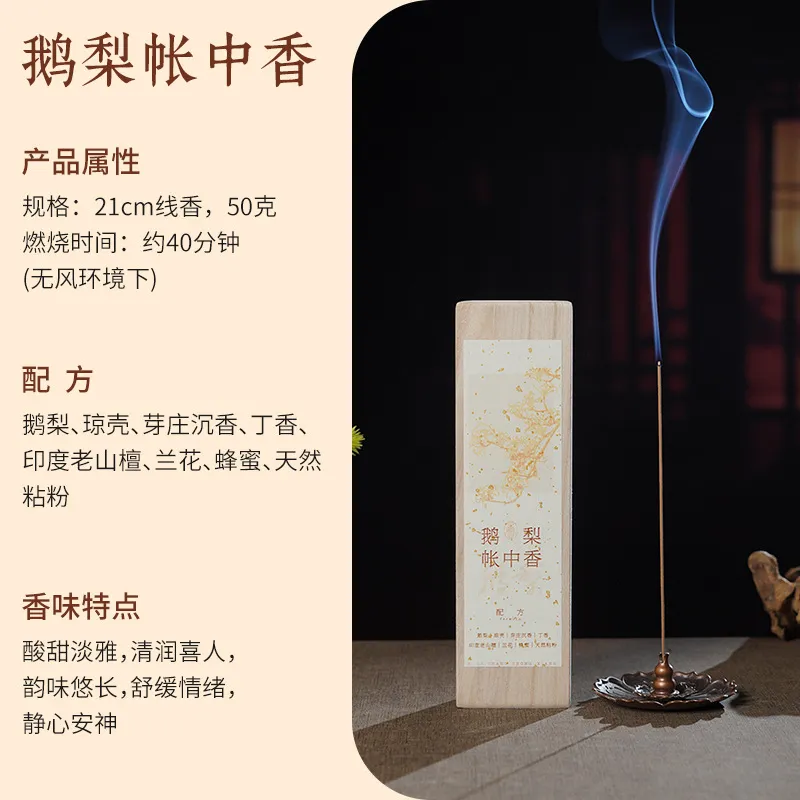
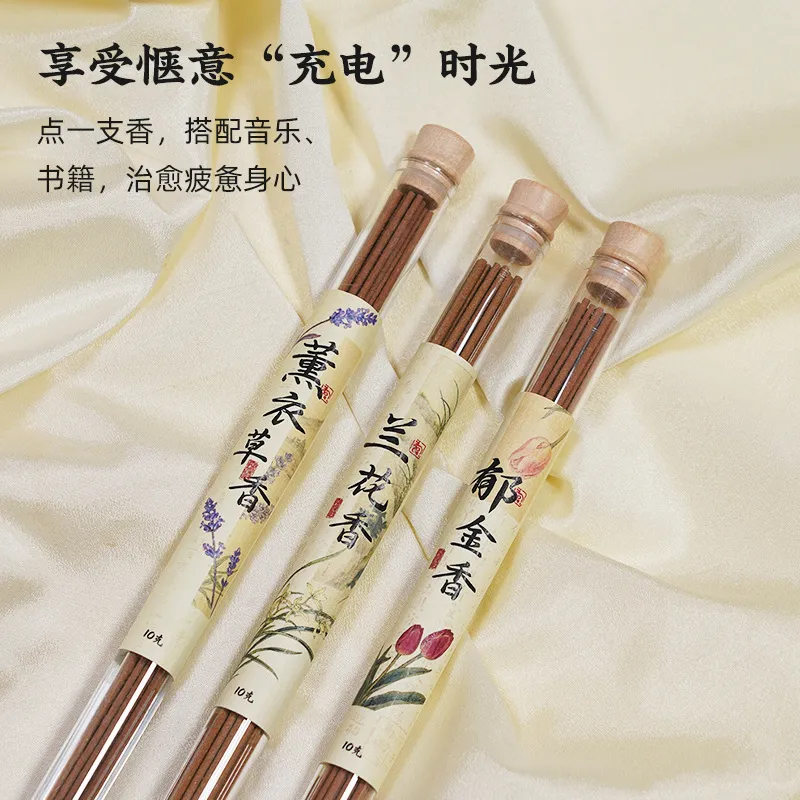
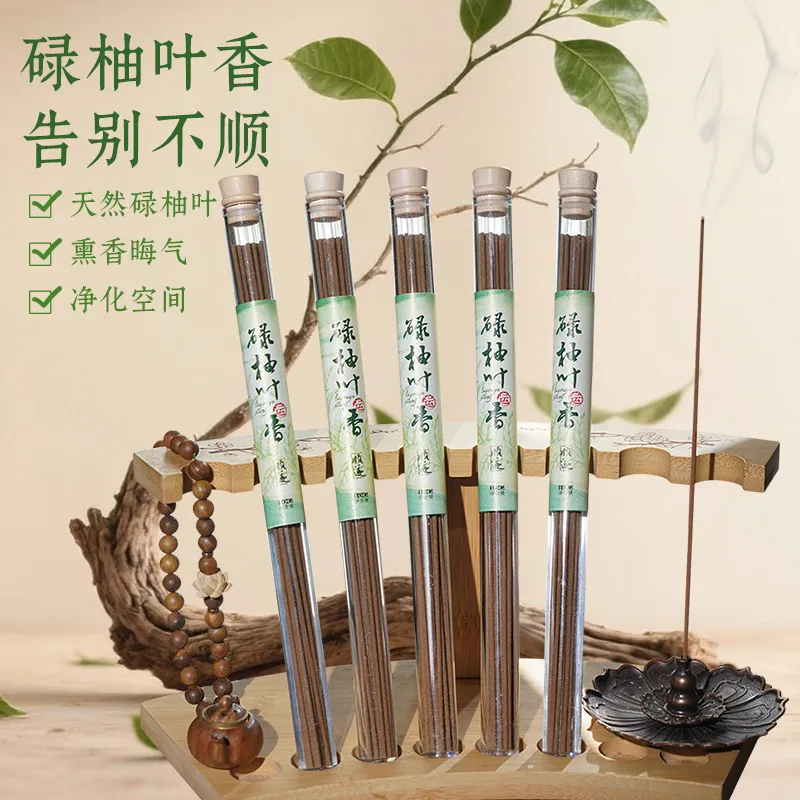
A: Yes. Choose all-natural herbal calming stick incense without artificial fragrances or chemical accelerators for an easier entry point. Low-temperature incense warming offers a smoother, smoke-free experience for more advanced practice.
Q: Where can I find ancient literature on sleep-supporting incense formulas?
A: Visit the official incense culture archive at http://www.xiangsheng.org.cn/channel/index/wid/4 to browse the herbal incense documents and Dunhuang incense prescription sections of the Complete Collection of Chinese Incense Documents.